In today’s fast-paced world, music is an essential companion for many, transforming mundane moments into vibrant experiences. Whether you’re energizing your home, enhancing an outdoor adventure, or simply seeking a personal soundtrack, a reliable Bluetooth speaker is key. As an Admin for reviewersfl.com, with over a decade of experience in audio technology, I’ve seen hundreds of models come and go, understanding intimately what listeners truly need. This comprehensive guide will equip you with all the knowledge to navigate the vast market, helping you discover the ideal Bluetooth speaker that resonates with your lifestyle and delivers exceptional sound, right in your vicinity.
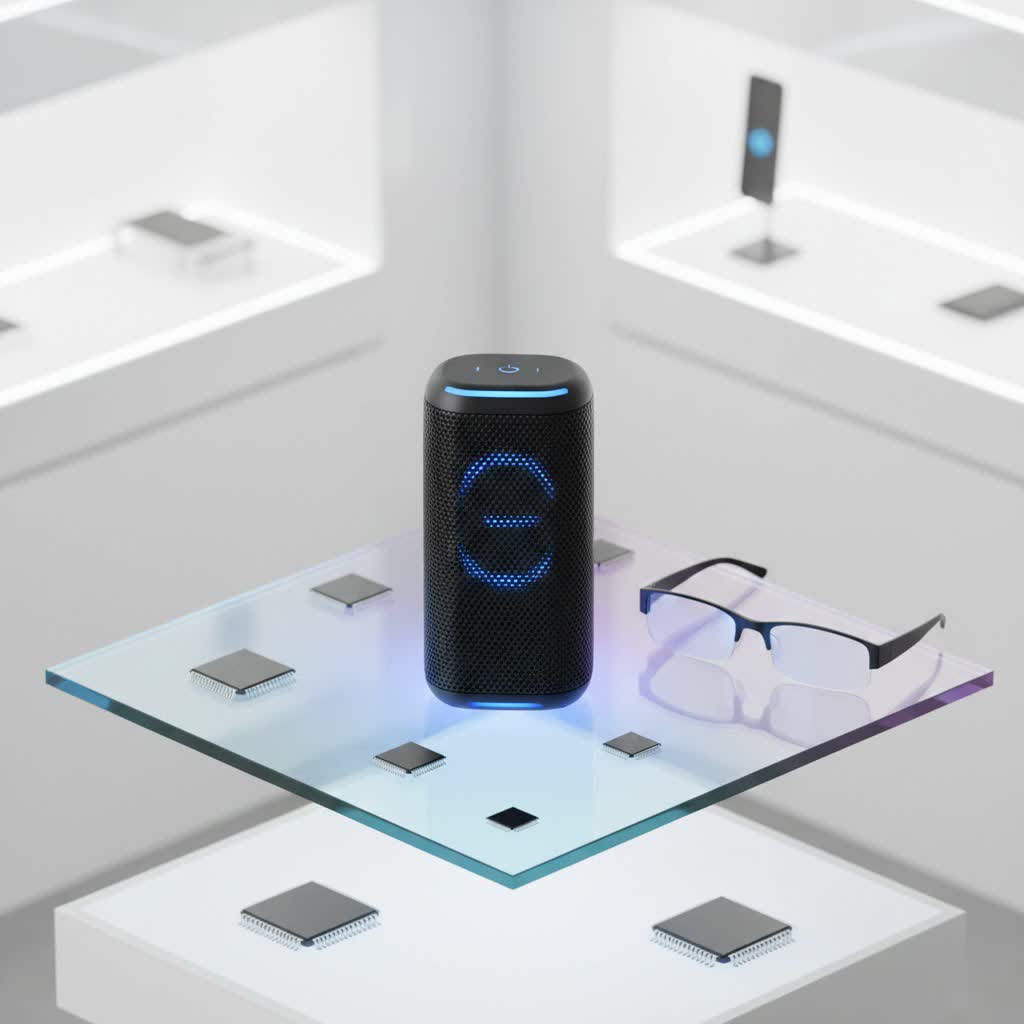
What Are Bluetooth Speakers and Why Are They So Popular?
Bluetooth speakers are wireless audio devices that connect to other Bluetooth-enabled devices, such as smartphones, tablets, or laptops, to play audio. They utilize Bluetooth technology, a short-range wireless standard, to establish a connection without the need for physical cables. This innovative technology allows for convenient, untethered audio playback, revolutionizing how we consume music and other audio content.
The journey of Bluetooth speakers began with humble beginnings, evolving from simple, low-fidelity devices to sophisticated audio powerhouses. Their popularity has surged due to several undeniable advantages over traditional wired speakers. They offer unparalleled portability, making it easy to carry your music anywhere. The absence of cables eliminates clutter and simplifies setup, while advancements in Bluetooth versions have significantly improved sound quality, connection stability, and energy efficiency. Today, Bluetooth speakers are not just about convenience; they deliver impressive audio performance in a compact, versatile package, making them a staple for modern music lovers.
Popular Types of Bluetooth Speakers on the Market
The Bluetooth speaker market is diverse, offering a range of designs and functionalities to suit various needs and environments. Understanding the different types can help narrow down your search for the perfect sound companion.
Portable Bluetooth Speakers
- Advantages: These speakers are designed for life on the go. They are typically compact, lightweight, and often feature robust, durable designs, sometimes with integrated handles or carabiners for easy transport. Their primary appeal lies in their ability to deliver music wherever you are.
- Disadvantages: Due to their smaller size, portable speakers generally have lower power output and a more limited frequency range compared to their larger counterparts. This can sometimes result in less impactful bass and overall sound quality at higher volumes.
- Best for: Individuals who frequently travel, enjoy outdoor activities like hiking or beach trips, or need a speaker that can easily move from room to room. Their grab-and-go nature makes them perfect for spontaneous listening.
|
Our Picks for the Best Bluetooth Speaker in 2026
As an Amazon Associate I earn from qualifying purchases.
|
||
| Num | Product | Action |
|---|---|---|
| 1 | JBL Go 4 - Ultra-Portable, Waterproof and Dustproof Bluetooth Speaker, Big JBL Pro Sound with Punchy bass, 7-Hour Built-in Battery, Made in Part with Recycled Materials (Black) |

|
| 2 | Anker Soundcore 2 Portable Bluetooth Speaker with Stereo Sound, Bluetooth 5, Bassup, IPX7 Waterproof, 24-Hour Playtime, Wireless Stereo Pairing, Speaker for Home, Outdoors, Travel |
|
| 3 | JBL Charge 6 - Portable Waterproof & Drop-Proof Bluetooth Speaker, Bold JBL Pro Sound with AI Sound Boost, 28Hrs of Playtime, Built-in powerbank & Comes with a Sturdy/Removable Carrying Strap (Black) |
|
| 4 | Anker Soundcore Upgraded Bluetooth Speaker with IPX5 Waterproof, Stereo Sound, 24H Playtime, Portable Wireless Speaker for iPhone, Samsung and More (Black) |
|
| 5 | NOTABRICK Bluetooth Speaker with15W, IPX67 Waterproof Portable Speakers Bluetooth Wireless V5.0, Stereo Sound, Active Extra Bass, Double Pairing, for Party, Home Theater, Game Theater |
|
| 6 | BESTISAN 2.1CH Bluetooth Speaker, 90W Max Portable Speaker, 7 RGB Lights Mode/50W Deep Bass Subwoofer/TWS/AUX/USB Disk Play/Hands Free Call, Stereo Loud Sound with Handle for Outdoor/Workshop/Garage |
|
| 7 | Raymate Bluetooth Speakers, HiFi Stereo Sound with DSP, 30W IPX7 Waterproof Speaker Wireless Bluetooth-V5.0, 1000mins Playtime, Portable Speaker for Home, Outdoor, Party |
|
| 8 | JBL FLIP 5, Waterproof Portable Bluetooth Speaker, Black, Small |
|
| 9 | Bluetooth Speaker with HD Sound, Portable Wireless, IPX5 Waterproof, Up to 20H Playtime, TWS Pairing, Bluetooth 5.3, for Home, Party, Beach, Outdoor, Electronic Gadgets, Birthday Gift (Black) |
|
| 10 | Bluetooth Speaker with HD Sound, Portable Wireless, IPX5 Waterproof, Up to 20H Playtime, TWS Pairing, BT5.3, for Home/Party/Outdoor/Beach, Electronic Gadgets, Birthday Gift (Black) |
|
Home Bluetooth Speakers
- Advantages: Designed primarily for indoor use, home Bluetooth speakers often boast superior sound quality, higher wattage, and richer bass. They usually feature more elegant aesthetics to blend seamlessly with home decor and may offer advanced audio technologies for an immersive listening experience.
- Disadvantages: These speakers are less portable due to their larger size and often require a power outlet, limiting their use to indoor settings.
- Best for: Enhancing your home audio system, providing ambient music in living spaces, or serving as a primary speaker for parties and gatherings where portability is not a main concern.
Smart Bluetooth Speakers
- Advantages: Beyond playing music, smart Bluetooth speakers integrate voice assistants like Amazon Alexa or Google Assistant, enabling hands-free control over music, smart home devices, information retrieval, and more. They offer a connected experience, acting as a central hub for your digital life.
- Disadvantages: Smart speakers typically require a Wi-Fi connection for their “smart” features, and there might be privacy concerns regarding always-on microphones. They can also be more expensive than non-smart alternatives.
- Best for: Tech-savvy users who appreciate the convenience of voice commands, desire smart home integration, and value a multi-functional device that goes beyond just playing audio.
Waterproof Bluetooth Speakers
- Advantages: Engineered to withstand exposure to water, these speakers come with an IP (Ingress Protection) rating, indicating their resistance to splashes, rain, or even submersion. This makes them ideal for poolside parties, beach outings, shower singing, or any environment where liquids are present.
- Disadvantages: Waterproofing features can sometimes add to the cost. While they are resilient against water, they may not always be as robust against impacts unless they also boast high durability ratings.
- Best for: Adventurous users, swimmers, beachgoers, or anyone who wants to enjoy music in wet environments without fear of damaging their device.
Comparing Popular Bluetooth Speaker Types
To help you visualize the differences, here’s a comparative overview of the popular Bluetooth speaker types:
| Feature | Portable Speakers | Home Speakers | Smart Speakers | Waterproof Speakers |
|---|---|---|---|---|
| Size | Compact, lightweight | Larger, more substantial | Varies, often medium to large | Varies, often compact to medium |
| Power Output | Generally lower (5-20W) | Higher (20W-100+W) | Medium to high | Varies, often medium |
| Battery Life | Excellent (6-24+ hours) | Often none (plug-in) | Varies (can be plug-in or portable) | Good (8-15+ hours) |
| Water Resistance | Often present (IPX4-IPX7) | Rarely | Rarely | High (IPX6-IPX8) |
| Special Features | Carabiners, rugged design | Premium audio, multi-room audio | Voice assistant, smart home control | Floating, durable casing |
| Price Range | Affordable to mid-range | Mid-range to premium | Mid-range to premium | Mid-range |
Essential Factors to Consider When Buying a Bluetooth Speaker
Choosing the right Bluetooth speaker, especially when looking for one “near me” or locally, involves evaluating several critical factors to ensure you get the best value and performance.
Sound Quality
The most crucial aspect of any speaker is its sound quality. This is influenced by several factors:
- Wattage (Power Output): Measured in watts, higher wattage generally means louder sound. For outdoor use, 15-20 watts can provide sufficient volume, while larger home speakers can easily exceed 50-100 watts.
- Frequency Range: This indicates the range of sounds the speaker can reproduce, measured in Hertz (Hz). A wider range (e.g., 20Hz-20kHz) ensures a fuller, more accurate sound reproduction, capturing deep bass and crisp treble.
- Impedance: Lower impedance (e.g., 4 ohms) can lead to better sound quality and louder output, but it also requires more power from the amplifier.
- Audio Codecs: Look for support for higher-quality codecs like AAC or aptX if you prioritize superior audio fidelity, as these offer better compression than the standard SBC.
When shopping locally, always try to listen to the speaker before purchasing. Pay attention to the clarity of vocals, the depth of the bass, and how well it handles different music genres.
Battery Life
If portability is a priority, battery life is paramount. Consider the average playtime offered by the speaker, typically ranging from 6 to over 24 hours on a single charge. Longer battery life reduces the frequency of recharging, which is ideal for extended outings. Fast charging capabilities are also a welcome bonus, allowing you to quickly power up your device. To maximize battery longevity, avoid overcharging, store the speaker at a moderate charge level (around 50%) when not in use for long periods, and operate it within recommended temperature ranges.
Connectivity
The Bluetooth version impacts both connection stability and range.
- Bluetooth 5.0 and higher (5.2, 5.3, 5.4): These newer versions offer faster transmission speeds, extended range (up to 800 feet in open space), and improved energy efficiency. They also allow for more stable connections and can often pair with multiple devices simultaneously.
- Connection Range: Most speakers offer a standard range of about 30-60 feet, but newer Bluetooth versions significantly extend this.
- NFC (Near Field Communication): Some speakers feature NFC for quick, tap-to-pair connectivity, simplifying the pairing process.
Ensure the speaker’s Bluetooth version is compatible with your primary devices for the best experience.
Water and Dust Resistance
For outdoor enthusiasts or those planning to use their speaker near water, an IP (Ingress Protection) rating is crucial.
- IPX4: Resistant to splashing water from any direction.
- IPX7: Can be submerged in up to 1 meter of water for 30 minutes.
- IP67/IP68: Fully dustproof and capable of extended submersion.
The first digit in an IP rating refers to dust resistance (0-6), and the second to water resistance (0-8). A higher number indicates better protection.
Special Features
Modern Bluetooth speakers come with an array of additional features:
- Integrated Voice Assistants: Hands-free control with Alexa, Google Assistant, or Siri.
- LED Lights: Customizable lighting effects that can sync with music, perfect for parties.
- Power Bank Functionality: Allows the speaker to charge your phone or other devices.
- Multi-Speaker Pairing: Connect two or more speakers for a wider soundstage or multi-room audio.
- Built-in Microphone: For hands-free calling.
Consider which of these features align with your intended use.
Price
Bluetooth speakers are available across a wide price spectrum, from budget-friendly options under $50 to premium models costing several hundreds of dollars.
- Budget (Under $50): Often portable, basic features, decent sound for casual listening.
- Mid-Range ($50-$200): Balanced performance, improved sound quality, better battery life, some advanced features, good durability.
- Premium ($200+): Superior audio fidelity, robust build quality, extensive feature sets, and often from renowned audio brands.
When shopping locally, compare prices across different retailers. Many stores offer price-match guarantees, ensuring you get a good deal.
Top Bluetooth Speakers We Love Right Now
While specific models available “near me” can vary by retailer and stock, here are some generally highly-regarded Bluetooth speakers across different categories, known for their performance and features.
JBL Flip 6: This portable powerhouse offers impressive sound for its size, with punchy bass and clear highs. It’s fully waterproof and dustproof (IP67), making it an excellent companion for beach trips or poolside parties. With up to 12 hours of battery life and a robust build, the Flip 6 is a crowd-pleaser for those seeking durable, high-quality portable audio. Its compact design means it fits easily into most bags.
Sonos Roam: Blending smart speaker functionality with excellent portability, the Sonos Roam delivers rich, detailed sound, whether streaming via Bluetooth or Wi-Fi. It integrates seamlessly into a Sonos multi-room system and supports voice assistants. Its rugged, waterproof (IP67) design and 10-hour battery life make it versatile for both home and outdoor use, offering a premium experience in a small package.
Ultimate Ears Boom 3: Known for its iconic 360-degree sound and extreme durability, the Boom 3 is a fan favorite for outdoor adventures. It’s completely waterproof and dustproof (IP67) and even floats! With 15 hours of battery life and the ability to pair with other UE speakers for a larger sound, it’s built to withstand the elements while delivering vibrant audio. The Boom 3 is perfect for those who prioritize ruggedness and energetic sound.
Bose SoundLink Revolve+ II: This speaker stands out for its elegant design and true 360-degree immersive sound. It offers deep, rich bass and clear audio, making it a great choice for filling a room. While not as rugged as some competitors, it’s water-resistant (IPX4) and offers up to 17 hours of battery life. Its integrated handle enhances portability for moving it around the house or to a patio.
Anker Soundcore Motion+: For those seeking exceptional audio quality without breaking the bank, the Motion+ is a stellar choice. It delivers Hi-Res audio with strong bass and impressive clarity, thanks to its advanced drivers and aptX support. With 12 hours of playtime and IPX7 waterproofing, it offers premium features and sound at a highly competitive price point, making it a favorite for value-conscious audiophiles.
Tips for Using and Maintaining Your Bluetooth Speaker
To ensure you get the most out of your Bluetooth speaker and prolong its lifespan, follow these practical tips.
Connecting Your Speaker:
- Pairing with a Phone/Tablet: Turn on your speaker and put it into pairing mode (usually indicated by a blinking LED). On your device, go to Bluetooth settings, scan for new devices, and select your speaker’s name. Confirm the connection.
- Connecting to a Computer: Similar to mobile devices, enable Bluetooth on your computer, go to “Add Bluetooth or other device” in settings, select “Bluetooth,” and choose your speaker.
- Troubleshooting: If you encounter connection issues, ensure both devices are in pairing mode and within range. Try turning Bluetooth off and on, or restarting both devices. Unpair and re-pair if necessary.
Maintenance and Care:
- Cleaning: Regularly wipe down the exterior with a soft, dry or slightly damp cloth. For waterproof speakers, a gentle rinse can remove dirt or sand. Avoid harsh chemicals.
- Battery Care: Avoid fully depleting the battery frequently. For long-term storage, charge the battery to around 50-70%.
- Storage: Store your speaker in a cool, dry place away from direct sunlight and extreme temperatures.
- Protection: If your speaker isn’t waterproof, keep it away from liquids. For portable speakers, consider a protective case if it’s not explicitly designed for rugged use.
Conclusion
Navigating the world of Bluetooth speakers can seem daunting, but with a clear understanding of your needs and the key features available, finding the perfect device is an exciting journey. From powerful sound quality and robust battery life to advanced connectivity and specialized features like waterproofing, there’s a speaker designed for every scenario. Whether you’re looking for an immediate purchase at a local electronics store or planning a long-term investment, focusing on these aspects will guide you toward a speaker that not only meets but exceeds your expectations. What kind of adventures will your new Bluetooth speaker accompany you on?
Frequently Asked Questions
How far can a Bluetooth speaker be from my phone?
The effective range of a Bluetooth speaker largely depends on its Bluetooth version and environmental factors. Modern speakers with Bluetooth 5.0 or higher can maintain a stable connection up to 120 meters (around 400 feet) in open spaces, while older versions might be limited to about 10 meters (33 feet). Walls and other obstructions can reduce this range.
Can I connect multiple Bluetooth speakers together?
Yes, many modern Bluetooth speakers feature multi-speaker pairing technology (often called PartyBoost, Connect+, or similar brand-specific names) that allows you to link two or more compatible speakers for a synchronized audio experience. This can create a wider soundstage or provide audio in multiple rooms. Always check the speaker’s specifications for this feature.
Are waterproof Bluetooth speakers truly waterproof?
The level of “waterproof” varies and is indicated by an IP (Ingress Protection) rating. For example, IPX4 means splash-resistant, while IPX7 means it can be submerged in up to 1 meter of water for 30 minutes. Higher ratings like IP67 or IP68 offer both dust and superior water resistance. It’s crucial to check the specific IP rating to understand its limits.
What is the ideal wattage for a Bluetooth speaker?
The ideal wattage depends on your intended use. For personal, indoor listening, 5-10 watts might suffice. For outdoor use or small gatherings, 15-30 watts is often recommended to cut through ambient noise. Larger party speakers or home systems can range from 50 watts to well over 100 watts for a more powerful and immersive sound experience.
How do I know if a Bluetooth speaker has good bass?
To assess bass quality, look for a speaker with a wider frequency range that extends lower (e.g., 20Hz-50Hz) and often includes passive radiators or a dedicated subwoofer. When testing locally, listen for deep, resonant bass that doesn’t sound distorted or muddy, even at higher volumes. Reviews often highlight speakers known for their strong bass performance.
